
Posted on 02.03.2026
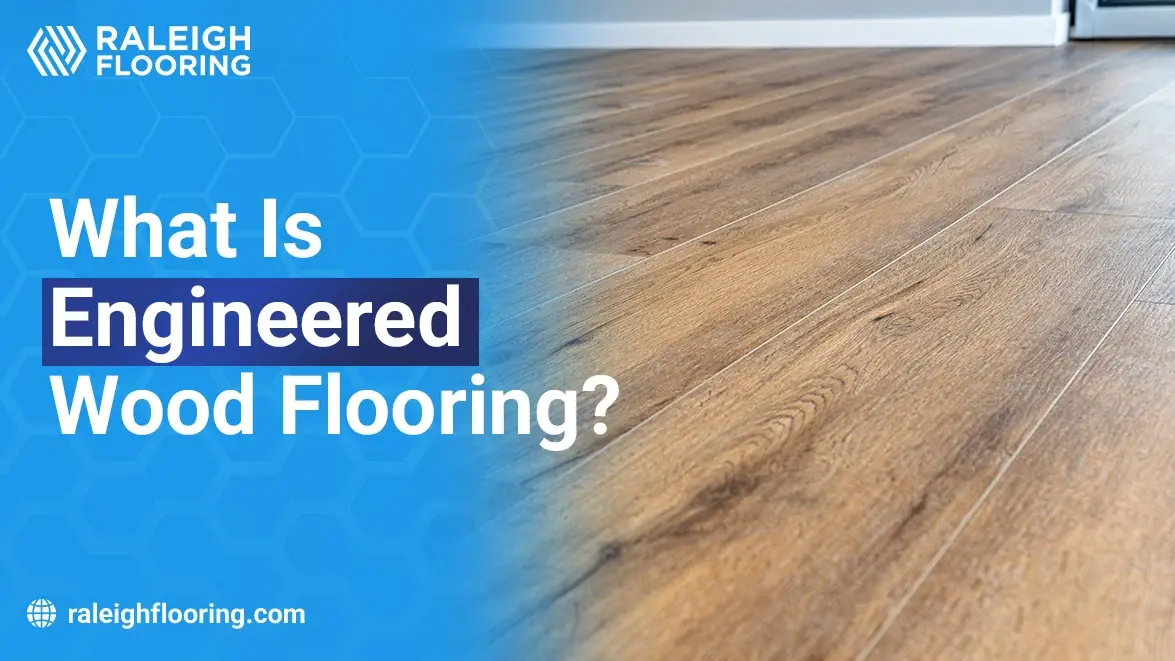
If you’ve ever walked into a room with wood floors and thought, that looks amazing, you’re not alone. Engineered wood flooring uses a real hardwood veneer bonded over layered plywood for strength. The cross-grain core adds stability and handles temperature and humidity changes better. This is what engineered wood flooring is.
It pairs a real hardwood veneer with a stable, layered core that resists moisture and temperature shifts. Looks warm and natural underfoot. Installation can be floating, glue‑down, or nail‑down. It’s usually easier to live with than solid wood, plays nicely with radiant heat, and costs less without giving up years of life.
Understanding Engineered Wood Flooring
The engineered wood flooring is made with a true hardwood veneer such as oak, maple or walnut. Any grain and color you prefer is glued on plywood or high density material layers. A different arrangement is made of the inner layers, which run in the opposite direction. Cross-grain design is used to ensure the boards stay stable during times of heat or cold weather or when the weather becomes very humid after a rainy week. It resembles hardwood, because, after all, it can be used as hardwood on the surface, but can stand the test of time in real-life situations.
Benefits of Engineered Wood Flooring
Honestly, this stuff has won over a lot of homeowners because it feels like wood without some of the issues.
-
Dimensional Stability and Structural Performance
You’ve probably noticed how a solid wood floor can gap or buckle when the seasons change. Engineered wood expands and contracts less than solid wood. That’s because of its layered construction; the grain directions counteract each other and keep the plank steady.
-
Moisture and Temperature Resistance
Engineered floors handle moisture and temperature fluctuations better than solid boards, which means fewer surprises when the weather changes.
-
Authentic Look and Design Flexibility
Here’s the best part: the top layer is genuine wood. That means oak, maple, walnut, the grain patterns and texture under your feet feel just right. And because the surface is wood, it comes in lots of colors and finishes you’d expect from classic hardwood.
-
Installation Flexibility That Saves Time
Some engineered floors click together like puzzle pieces. That floating style can go over concrete, existing floors, or plywood, and it installs fast, sometimes in half the time and cost compared to solid wood.
-
Works With Radiant Heat
If your home has underfloor heating, and let’s be honest, once you’ve walked barefoot on warm wood, you never want to choose another option. Solid hardwood can react more dramatically to heat.
-
Practically Easy to Live With
Daily maintenance is simple. A good sweep or light vacuum, gentle wipe when needed, and you’re good. No stress, no overthinking even for busy households.
Key Components of Engineered Wood Planks
Here’s what makes each plank work perfectly.
- Layered Core: Multiple sheets of plywood or fiberboard glued together. This gives the plank strength and stability.
- Top Wear Layer: This is real hardwood, usually 1 mm to 6 mm thick. Thicker veneers let you sand and refresh the surface later.
- Cross-Grain Construction: The internal layers run in different directions. That design is what really keeps the board calm and steady through humidity and temperature changes.
Installation Methods and What They Mean for You
Here are a few ways to install these floors:
- Floating Floor: Boards click together and literally float over the subfloor. No glue, no nails. This is the most flexible and often DIY‑friendliest setup.
- Glue-Down: Adhesive holds the planks right to the floor. Feels solid and can help cut down noise.
- Nail-Down/Staple-Down: The classic approach, best on a wooden subfloor and usually installed by a professional.
How It Differs from Solid Hardwood Flooring
Here’s a clear way to see the big picture differences between engineered wood and traditional solid hardwood flooring:
| Feature | Engineered Wood | Solid Hardwood |
| Material | Thin hardwood veneer over core layers | Full-thickness solid wood |
| Moisture Resistance | Better | More sensitive |
| Stability | Very stable | Moves with climate |
| Refinishing | Limited (depending on veneer) | Many times, over |
| Installation | Floating, glue, nail | Mainly nail or glue |
| Lifespan | 20–30+ years | 50–100+ years or more |
| Cost | More budget-friendly | Often more expensive |
| Looks | Real wood surface | Real wood throughout |
Care and Maintenance of Engineered Hardwood Flooring
Daily care keeps your floor looking warm and alive:
- Sweep or Vacuum Regularly: Tiny particles slowly wear finishes over time.
- Handle Spills Right Away: Avoid letting water sit on the surface.
- Use a Lightly Damp Mop: Too much water or steam can disrupt the layers.
- Protect High‑Traffic Areas: Rugs and felt pads help prevent dents and scratches.
- Watch Humidity: Although engineered wood is more resistant to moisture, constant indoor humidity allows it to age.
- Refinish With Care: Depending on the wear layers thickness, you may sand the surface (or refresh it) either once or twice, but to prolong the life span of the wear layer.
Conclusion
So, what is engineered wood flooring? There’s a simple answer; it’s genuine wood you can walk on every day, paired with a layered core that makes it steadier and more flexible than traditional hardwood. It combines the natural warmth and appearance of hardwood with practical features that make it more versatile in a range of homes and rooms. Its multi-layer construction gives it stability in places where solid wood might struggle, and installation choices make it appealing for both professionals and DIYers. Routine maintenance keeps it looking great for years, and its ability to work with radiant heat and moisture-prone areas adds to its appeal. Whether you’re renovating a main living space or finishing a basement, contact flooring contractor like Raleigh Flooring.
Frequently Asked Questions
Is engineered wood better than laminate?
Engineered wood looks more natural and usually lasts longer. Laminate costs less but doesn’t offer real wood texture.
Do engineered wood floors scratch easily?
They resist scratches fairly well with proper care. Like all wood, heavy wear can still leave marks.
What is better, solid wood or engineered wood flooring?
Solid wood offers longevity. Engineered wood offers stability and easier installation.