
Posted on 05.22.2026
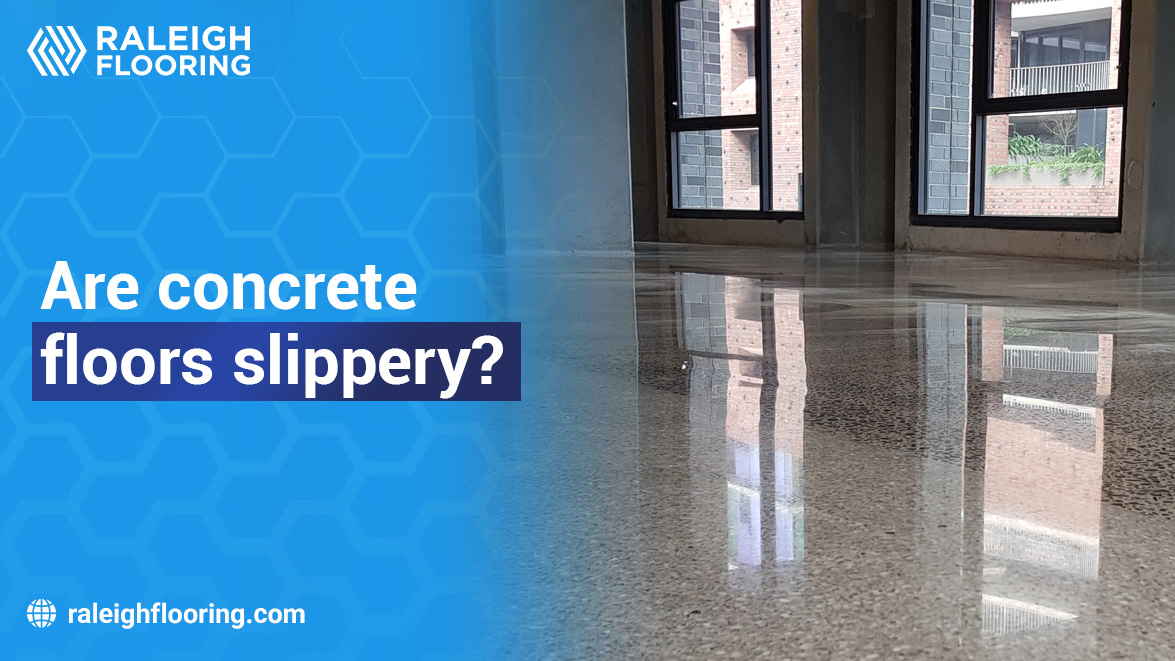
Concrete floors can feel like an entirely different material depending on the condition of their finish and the environment surrounding them. Some stay rough enough for a solid grip while others become slick after moisture, oil, or polishing changes the surface texture. Maintenance also plays a bigger role than many people expect in surface traction and daily floor safety. Many property owners eventually ask, Are concrete floors slippery? After moisture, dust or worn coatings begin affecting the surface condition over time.
Core Takeaways
- Not all concrete flooring is slippery by default.
- Smooth finishes usually feel slicker when wet.
- Dust, oil, and poor drainage reduce floor traction.
- Anti-slip coatings increase the coefficient of friction.
- Over time, concrete can easily get covered with dirt and debris, making it slippery to walk on.
Are Concrete Floors Naturally Slippery?
Concrete usually has decent traction when the surface keeps some texture. Sidewalks and outdoor driveways rarely feel too slick because rough broom finishes help shoes grip better. The issue normally starts after polishing, sealing, or long-term surface wear changes how the floor feels underfoot.
A polished floor is not automatically dangerous, though people often assume that immediately. Some polished concrete surfaces still feel perfectly stable during daily use. Moisture and maintenance usually create bigger problems later. Dirty floors often become riskier than smooth floors that are properly maintained.
- Rough finishes improve everyday traction
- Wet concrete usually feels more slippery
- Outdoor concrete needs proper water drainage
- Dust buildup reduces natural surface grip
- Smooth sealers sometimes increase slip risks
What Makes Concrete Floors Slippery?
Concrete becomes slippery after the surface loses enough traction for safe walking. Water causes problems quickly though dust, grease, soap residue, and worn coatings also create unsafe conditions. Even durable floors eventually become risky when cleaning and maintenance stay ignored for too long.
Smooth or Polished Surface Finishes
Highly polished concrete looks really modern inside homes, offices and retail spaces. The smoother the surface gets, the less natural grip shoes seem to find when you’re moving. Even so, some polished floors remain safe, but those extra-glossy finishes can feel slicker once rainwater or spills touch the surface.
Water, Oil, and Chemical Spills
Water brings one of the quickest shifts in traction. A dry floor might feel fine but only after a small spill can it suddenly feel unsafe. Oil tends to cause even bigger issues because a thin film spreads out quietly across the surface without being immediately obvious during everyday foot traffic.
Dust and Dirt Build-Up
Dust alters floor traction much more than most people think it does. These little particles create a film between the soles of your shoes and the concrete. Dust accumulates quickly in warehouses, garages and other work areas because the constant traffic drags debris across the floor on a daily basis.
Poor Drainage and Moisture Problems
Standing water creates slippery patches that stay dangerous much longer than people expect. Outdoor patios and walkways really need good drainage slopes so rainwater can drain properly. Indoor moisture can also cause problems, especially in basements or utility rooms where moisture just stays trapped for long stretches.
Worn-Out Surface Coatings
Old sealers tend to lose their consistency slowly after years of foot traffic and repeated cleaning. Some spots end up feeling slick and uniform while nearby areas start peeling unevenly across the surface. Those worn zones often cause a confusing traction situation, particularly near entrances and in the heavy-traffic walking routes inside buildings.
How to Make Concrete Floors Less Slippery
Most slippery concrete problems improve after increasing surface traction and controlling moisture properly.
Applying Anti-Slip Coatings
Anti-slip coatings add a bit of texture right onto smooth concrete surfaces. Most of them contain grit additives that really help grip, particularly during wet conditions. These kinds of finishes usually do well inside garages, commercial kitchens, workshops, and storage areas, where spills tend to happen again and again throughout the day.
Using Textured Concrete Finishes
Textured finishes, they naturally create stronger traction without needing to change the entire floor structure. Broom-finished concrete, exposed aggregate and stamped textures can help improve grip outdoors, too. Those surfaces often manage rainwater better, since the texture breaks up the smoother, more slippery patches across the floor.
Regular Cleaning and Maintenance
Clean concrete often feels safer than neglected concrete. Dust, grease, and cleaning residue slowly reduce surface grip over time. Sweeping regularly and removing spills fast helps more than people usually think. Solid maintenance habits often prevent a lot of slip problems before they really get worse later on.
Improving Drainage and Moisture Control
The water must have left the surface, instead of accumulating repeatedly all over the ground. This means you may need to correct drainage slopes on outdoor slabs or repair sunken areas. However, these conditions are sometimes just a symptom of moisture issues inside your home and such issues need to be addressed by either upgrading ventilation, repairing leaks or installing dehumidifiers.
Adding Floor Mats and Safety Strips
Mats and safety strips can reduce slipping near entrances, ramps, and wet work zones. Rubber-backed mats typically work better because they lie flatter against whatever is underneath. Loose mats are downright dangerous, too, particularly when the edges begin to curl after daily foot traffic
Are Polished Concrete Floors Safe for Homes and Businesses?
Polished concrete is suitable for almost all residential and business environments as long as the grade of your surface material matches the conditions. Polished concrete is selected for homes, restaurants, stores and office buildings too because it is much more durable than many traditional floor type materials yet will remain easier to maintain overall.
Super shiny finishes can start to feel slippery after spills. Usually, lower sheen finishes give stronger traction, while keeping the polished look sort of intact, not fully washed away. Also, cleaning habits matter a lot because residue builds up over time and it eventually messes with floor grip, even if the polished concrete was installed professionally.
- Lower-gloss finishes improve traction indoors
- Spill cleanup reduces accident risks quickly
- Entry mats help during rainy conditions
- Anti-slip sealers improve polished surfaces
- Regular cleaning keeps traction more consistent
Best Anti-Slip Treatments for Concrete Floors
Different concrete floors usually need different traction solutions depending on where they are installed. Garage floors deal with oil and moisture while patios face constant weather exposure. Some treatments stay nearly invisible while others add noticeable texture for stronger slip protection afterward.
Commercial spaces often need stronger anti-slip systems because heavy traffic wears surfaces down faster. Homes may only need light traction improvements in wet areas. Surface testing usually helps determine which treatment works best before applying permanent coatings or textured finishes across large concrete areas.
- Grit additives improve coating traction
- Textured sealers help smooth surfaces
- Acid etching roughens polished concrete
- Exposed aggregate works well outdoors
- Rubber strips improve stair traction
- Floor mats help around wet entrances
Conclusion
Concrete floors are not automatically slippery though certain conditions definitely increase the risk over time. The most common causes of the biggest issues are water, oil, dust, drainage problems and worn finishes. If traction and floor maintenance have been improved, most surfaces are essentially much safer. Small changes often make a noticeable difference in both homes and commercial spaces. Property owners looking for professional surface solutions and safer flooring upgrades can work with professional flooring installers like Raleigh Flooring for expert concrete flooring support.
Frequently Asked Questions
Do polished concrete floors become slippery when wet?
Yes, polished concrete can feel kind of slippery once water finally reaches the surface. Higher gloss finishes tend to lose grip faster in wet weather, compared with textured or lower sheen options.
How can I make concrete floors safer?
Anti-slip coatings, textured surface options, floor mats, plus regular cleaning usually help with safety on floors. Also, clearing spills quickly is a small thing that still makes a big difference, because lingering moisture keeps the slip risk up
Are outdoor concrete floors slippery in rain?
Outdoor concrete can turn slippery during rain, particularly when it feels overly smooth. Good drainage matters, and textured finishes typically improve traction where you need it most.
Can textured concrete reduce slip risks?
Yes, textured concrete generally provides a stronger grip than smooth polished surfaces. Broom finishes and exposed aggregate usually work well around wet outdoor areas.