
Posted on 05.22.2026
Don’t assume it’s time to replace the hardwood floor if it looks worn. Their appearance is commonly compromised by surface scratches, faded colors, dull finishes and light staining. But many of these problems can be solved by refinishing the wood to restore its natural appearance. While many of them can be refinished, not all of them can. Not every floor qualifies for refinishing though many do. Homeowners searching, can hardwood floors be refinished? Easily make the right decision after understanding the condition, the flooring type, the refinishing limits and the expected results.
Core Takeaways
- Yes, many hardwood floors can be refinished instead of replaced.
- Refinishing removes surface wear and restores appearance.
- Solid hardwood usually allows multiple refinishing projects.
- Some engineered hardwood floors can also be refinished.
- Severe damage or very thin flooring may limit refinishing options.
How Hardwood Floor Refinishing Works
Refinishing focuses on restoring the visible surface of the floor rather than replacing the boards.
Inspecting the Floor Condition
The first thing that needs to be done is to see if the floor is suitable for refinishing. All surface scratches, stains, worn finish areas, loose boards and previous sanding history must be evaluated. A floor may look heavily damaged at first glance while still having enough material remaining for successful restoration.
Sanding the Hardwood Surface
Sanding removes the previous finish and any scratches or discoloration. Once the ruined layer is taken out, the new wood will be uncovered. Sanding effectively should give a smooth surface that allows the stain and finish to be applied evenly.
Repairing Scratches and Surface Damage
Not all flaws get removed while sanding. There are usually little gaps and dents, nail holes, and broken areas to fix before doing any finishing. Solving these problems will give a cleaner look and keep the imperfections visible after completion of the project.
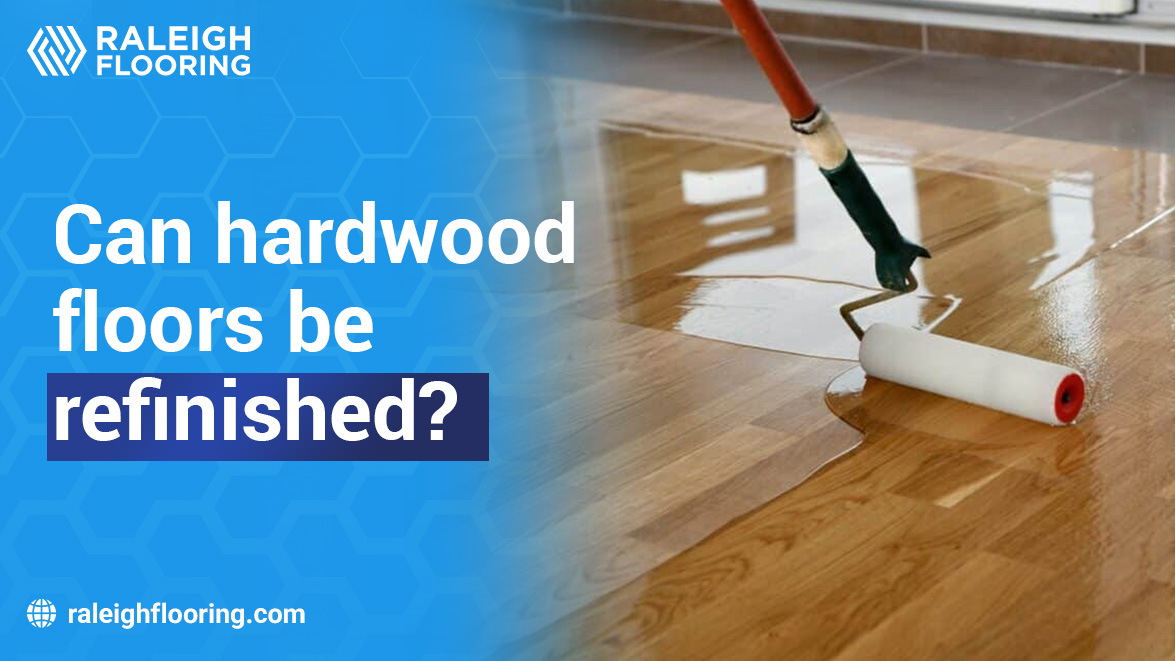
Applying New Stain or Finish
Some homeowners prefer the original wood color while others choose a completely updated appearance. Stain changes the color of the wood while the finish protects it from future wear. Modern finishes offer stronger resistance to scratches, moisture, and daily traffic than many older products.
Signs Hardwood Floors Need Refinishing
Most hardwood floors show clear signs when the protective finish begins wearing away.
Deep Scratches and Surface Wear
Light scratches are common and can easily blend with the finish. If bare wood is exposed, the floor loses part of its protection. The dirt and moisture will have a greater ability to penetrate wood which will cause further damage.
Fading or Discoloration
Hardwood floors changes its colour gradually. Some places fade quicker than others when exposed to sunlight. Refinishing the stain will help eliminate the uneven staining and give a more even color throughout the room.
Water Stains and Minor Damage
Small water stains may not always need to be replaced. In cases where damage is limited to the top layers, refinishing may be able to make a big difference or even entirely eliminate discoloration. Early action will generally be more successful before moisture has the opportunity to seep deeper into the wood.
Dull or Worn Finish
A worn finish typically makes the whole floor look older than it actually is. Cleaning might only temporarily improve the appearance but it doesn’t provide protection. Refinishing replaces the thin surface layer that protects all of this beauty and provides a durable, wear-resistant surface.
Splinters or Rough Surface Areas
Any hardwood floor should feel smooth when used normally. After many years of wear, rough spots may occur. As the finish wears off, exposed wood fibers may become more prominent. Refinishing creates a smoother surface and helps prevent future deterioration in vulnerable areas.
Types of Hardwood Floors That Can Be Refinished
The construction of the floors plays a lot in deciding if refinishing is an option.
Solid Hardwood Flooring
Solid hardwood is still the simplest floor type to refinish. Sanding can repair surface damage because each board is made entirely from hardwood and sanding can remove surface damage without affecting the overall structure.
Engineered Hardwood Flooring
Engineered hardwood may also qualify for refinishing depending on the thickness of the wear layer. Some products contain enough real wood on top to support sanding. Others have very thin layers that leave little room for restoration. Professional evaluation is often recommended.
Older Hardwood Floors
So long as the boards are still structurally sound most older floors respond exceptionally well to restoration. Years of wear may hide attractive wood underneath damaged finishes, scratches and discoloration.
Prefinished Hardwood Floors
Prefinished hardwood has been stained and coated at the factory. In many cases, refinishing is an option once that finish finally wears out. Make sure to carefully remove the existing coating before new stain and finish are added.
When Hardwood Floors Cannot Be Refinished
Refinishing solves many cosmetic issues though it cannot correct every flooring problem. Some conditions affect the structure itself rather than the finish. In those situations, replacement may provide a more practical long-term solution.
Severe Water Damage
Significant water damage often causes warping, swelling, and structural deterioration. Once the boards lose their stability, sanding alone cannot restore them. Replacement becomes necessary when moisture damage extends beyond the surface layer.
Extremely Thin Wear Layers
Some engineered flooring products simply do not contain enough wood for refinishing. Sanding removes material from the surface. If the wear layer is already too thin, further sanding may expose lower layers and permanently damage the flooring.
Structural Floor Damage
Loose boards, broken sections, and subfloor problems usually require more extensive repairs. Refinishing, no doubt makes it look better again but it doesn’t magically correct structural defects that are sitting under the surface. That kind of problem needs to be repaired before any final rework is considered.
Excessive Previous Sanding
Every refinishing strips away a small amount of wood. If the floor has already been sanded a few times, there might not be enough material left for another restoration round. If you keep sanding anyway, the boards can get weaker and that shortens their overall lifespan.
Benefits of Refinishing Hardwood Floors
Refinishing offers more than cosmetic improvement. It helps preserve existing flooring while extending its usable life. Many homeowners choose restoration because it costs less than full replacement and creates far less disruption throughout the home.
- Restores natural wood beauty
- Removes scratches and surface wear
- Extends floor lifespan
- Costs less than replacement
- Allows stain color updates
- Improves overall room appearance
How Long Does Hardwood Floor Refinishing Take
Project length will vary based on the size of the floor, the condition of the floor, the need for floor repairs and the type of floor finish desired. It could take just a few days in smaller spaces. The larger homes will take more time to sand, repair, stain, and cure. The curing stage is often neglected. Proper curing time will help ensure durability and minimize early surface damage.
Conclusion
It is not necessarily important to replace worn floors. Most of the time, refinishing gives hardwood a good appearance and extends its lifespan for many more years. Learning can hardwood floors be refinished is often the first step toward saving both time and money on your flooring project. For homeowners investing in long-term property improvements, Raleigh Flooring offers trusted hardwood flooring services designed to protect your home in every season.
Frequently Asked Questions
How many times can hardwood floors be refinished?
All solid hardwood floors are refinishable, up to several times. That amount will shift, based on the board thickness and the earlier sanding history.
Can engineered hardwood floors be refinished?
On an engineered hardwood floor, if the top layer is thick enough to be sanded, then refinishing is very likely possible.
How long does hardwood refinishing last?
A good refinishing job can actually last for many years. How long it lasts usually depends on how much traffic you get, what kind of upkeep you do, and how solid the finish is.