
Posted on 04.01.2026
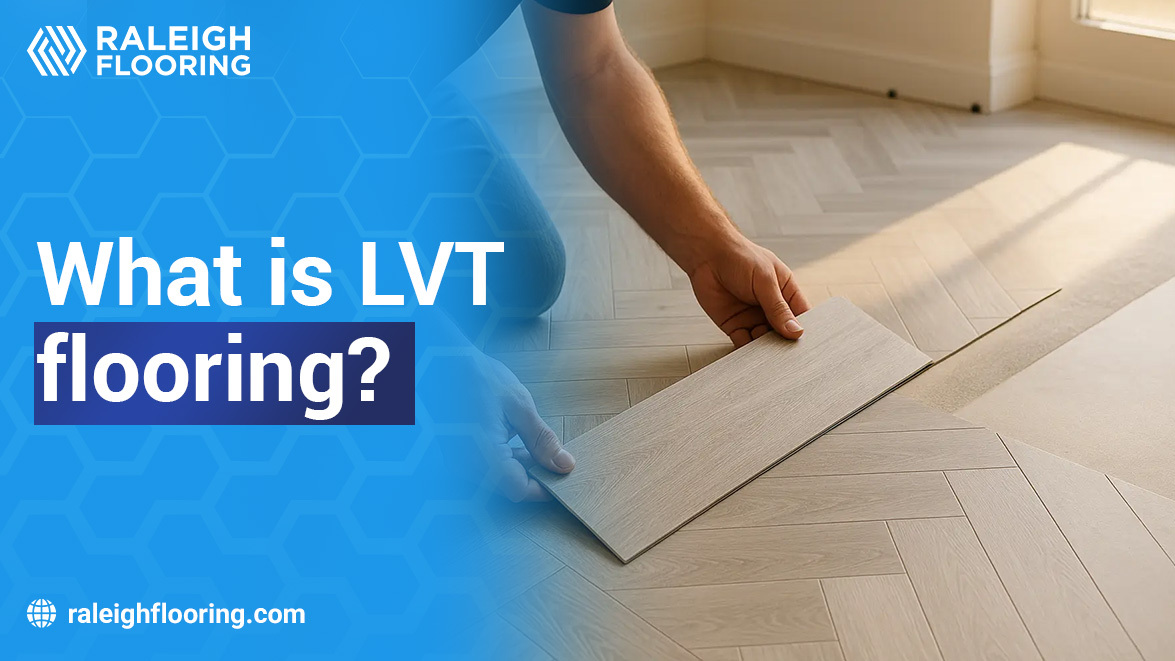
Selecting flooring can be a confusing proposition these days. There are lots of options, and each has its own benefits. Luxury Vinyl Tile (LVT) is a good option for modern homes. It is a durable multi-layer floor designed to resemble real wood or stone. It maintains its form due to resistance to scratches & water. You can find types that snap together quickly. Or others that you glue down. It stays quiet and warm under your feet while being very easy to keep clean. This affordable floor is a cost-effective option with long-lasting durability.
What are the Basics of LVT Flooring?
LVT stands out because it blends design and performance in a balanced way. LVT, or Luxury Vinyl Tile, is a multi-layered synthetic flooring designed to mimic wood, stone, or ceramic surfaces. It looks realistic and performs better in many everyday situations. Unlike traditional materials, it does not crack or absorb water easily. It is manufactured with multiple layers… including a high-resolution printed design for realistic textures. It’s perfect for someone who wants the look of a luxury apartment but lives a busy life.
Difference Between LVT and Other Flooring Types
| Feature | LVT Flooring | Laminate | Hardwood | Sheet Vinyl |
| Durability | High | Medium | Medium | Low |
| Water Resistance | High | Low to Moderate | Very Low | Moderate |
| Cost | Moderate | Low | High | Low |
| Maintenance | Easy | Moderate | High | Easy |
| Appearance | Very realistic | Less realistic | Natural | Basic |
This table shows why many people move towards LVT. It gives a strong balance between looks, cost, and performance.
Composition and Structure of LVT Flooring
To understand LVT, you have to look at what’s inside the plank. It isn’t just one piece of plastic. It is a stack of layers working together.
- The Wear Layer: This is the clear top guard. It stops scratches from chairs or pet claws.
- The Print Layer: This is a high-definition image. It makes the floor look like oak, marble, or slate.
- The Core Layer: This is the thickest part. It gives the floor its shape and prevents it from denting.
- The Backing Layer: This sits on the subfloor. It provides stability and support; moisture resistance comes mainly from the core and wear layers.
- The UV Coating: A special finish on top. It prevents the colors from fading in the sun over time.
Think about a busy coffee shop with heavy metal chairs constantly moving. If they had basic wood, the floor would get damaged easily. Because of the heavy wear layer, LVT stays looking brand-new even under constant friction.
Key Features of LVT Flooring
The right features will make your new floor last for years, giving you better value and helping you save money and live a stress-free life.
- Waterproof Surface: LVT can withstand tipped dog bowls and other spills from iced coffee without bending or becoming damaged.
- Noise Minimization: The material is significantly quieter than other hard floors. And therefore you will not hear that unpleasant popcorn sound as you are walking in sneakers.
- Temperature Comfort: When cold in the morning, these planks are much warmer to the feet than stone or ceramic tile.
- Low Maintenance: There are no major problems maintaining the floor, as it only requires a brief, simple mop to keep it clean.
- Inbuilt Strength: The quality materials used make the floor look fresh even after years, rather than appearing worn out from overuse.
- No Waxing: It is designed to avoid constant deep cleaning or any waxing, which would be quite expensive.
- Stress-Free Living: Have you ever wondered why some floors look amazing for years while others look totally worn out? It usually comes down to LVT’s ability to resist the daily wear and tear of a busy lifestyle.
Types of LVT Flooring
The way you put your floor together can change the entire DIY experience and the room’s final look. There are three ways to install LVT.
- Glue-Down: You use a strong adhesive to stick tiles to the floor.
- Click-Lock: The planks snap together like building blocks.
- Loose Lay: These stay in place using weight and a special backing.
Imagine you are upgrading a small bedroom over a weekend. Click LVT lets you finish the job fast without hiring help. That is why many homeowners prefer it.
Advantages of LVT Flooring
When people pick a floor, they want good value and comfort. LVT checks all these boxes.
- Affordable Luxury: You get the expensive look of a high-end hotel without spending a lot of money.
- Works Anywhere: You can put it in any room, including messy kitchens.
- No Warping: Unlike real wood, these planks won’t grow mold or bend when they get wet or cold.
- Lots of Styles: You can find many patterns, like old concrete or classic wood designs.
- Smarter Choice: LVT gives you the look of expensive marble for much less money.
- Easy to Install: Since the material is thin but strong, it can be installed over smooth, level surfaces. Sometimes even on existing flooring
- Saves Work: You don’t have to rip up old tiles, which saves you from hard work and a lot of dust.
Conclusion
Investing in LVT flooring is a smart move for anyone who wants a high-end look without the massive price tag. This floor is made of several strong layers so it won’t scratch easily when people walk on it. Since water cannot damage it, it is a great choice for kitchens where drinks might spill. You can snap the pieces together yourself to save money on hiring a worker. It stays very quiet and feels much warmer than cold stone tiles. Choosing this floor means you get a beautiful surface that lasts a long time and is very easy to wash. Contact Raleigh Flooring to explore durable LVT flooring options and get expert guidance tailored to your space and budget.
Frequently Asked Questions
Is LVT cheaper than tile?
Yes, LVT is usually much cheaper than ceramic or stone tile. Not only is the material more affordable, but the installation costs are lower too. You don’t need expensive grout or professional tools to get the job done right.
What is the lifespan of LVT flooring?
A good LVT floor can last between 20 to 30 years… assuming you take care of it. The thick wear layer keeps it protected from damage. It is a very long-term choice for anyone looking to renovate their house.
Can mold grow under LVT flooring?
Mold usually won’t grow on LVT because it is waterproof. However, if the floor underneath is wet before you start, moisture can get trapped. Always make sure the ground is totally dry… before you put the new floor down.