
Posted on 10.01.2025
Stairs are more than just a way to move between floors; they can also be safe and stylish. An easy way to transform your stairs is to install a stair runner. So, what is a stair runner? This long strip of carpet or rug runs down the middle of the stairs, while leaving the stair edges visible. It is constructed from various materials such as wool or nylon, and aids in safety, dampens sound, enhances style, and partially covers stairs. It can be installed as a DIY project or by a professional; the costs depend on the material and the difficulty of the stairs. With regular maintenance, stair runners stay in good condition for years.
What Is a Stair Runner?
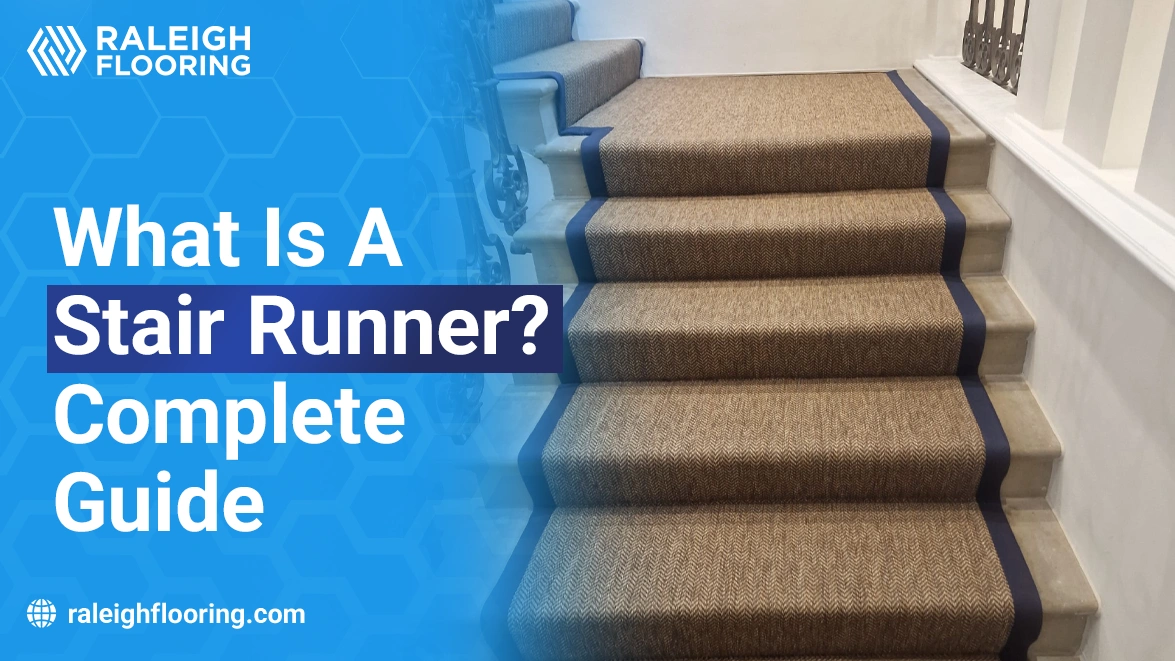
A stair runner is a long rug or carpet that runs along the center of your staircase. It will normally expose a bit of the staircase floor on either side, leaving a few inches of visible tile or wood, to create a framed appearance and set off your staircase.
These runners can come in various fashions:
- Roll runners: Pre-finished carpets on a roll specifically designed for stairs.
- Broadloom-cut runners: Made from larger rolls of carpet.
- Custom-cut rugs: Individually cut from large area rugs.
- Bespoke runners: Custom-made to suit unique needs.
They can be made from wool, synthetic materials such as nylon or polypropylene, or natural materials such as sisal or jute.
Benefits of Installing Stair Runners
Stair runners are a perfect blend of style, comfort, and safety, which makes them popular:
- Better Safety and Grip: Runners enhance foot traction on slippery stairs. This discourages slips and falls, especially for children, older people, or pets.
- Noise Reduction: Runners help minimize the sound of footsteps, especially on hardwood or tile stairs.
- Comfort Underfoot: Carpet is softer and warmer than hardwood, making your stairs more comfortable to walk on.
- Stair Protection: The runners protect the stairs from damage, scratching, or denting.
- Aesthetic Contribution: They represent your taste and style, adding a pop of color, texture, and pattern without overpowering a room.
- Increases Home Value: Stair runners are practical and decorative, appealing to future buyers.
How to Install Stair Runners?
Installation difficulty depends on the staircase and the method. Some find it manageable to DIY, while others prefer professional help.
- Step 1: Measure your stairs and record their length, width, and number of steps. Record turns or landings.
- Step 2: Select your runner. Choose your material, style, and color.
- Step 3: Preparation of stairs. Make sure the stairs are completely dry and clean.
- Step 4: Apply rug pads or non-slip underlays. Certain runners have sticky backs as well.
- Step 5: Secure the runner with staples or tacks. Begin at the top, keeping the runner pulled tight as you go. Secure staples below and near each step’s edge. Tap down with a chisel or flat tool to ensure a neat finish.
- Step 6: Install stair rods (optional). They hold runner ends down, cover staples, and add decoration.
It can be a long process, but the results are worth the effort.
Factors Affecting Stair Runner Installation Cost
The average cost of a stair runner varies. Some important factors that dictate the total cost of stair runner installation include:
- Runner Material: Good-quality materials like wool are expensive compared to artificial materials like nylon or polypropylene.
- Staircase Complexity and Shape: Straight stairs are the simplest; curved, multi-landed, or pie-shaped staircases require more labor and increase cost.
- Runner Length and Width: More material equals higher cost; longer or wider runners require more fabric.
- Edging and Finish: Custom edge binding, such as serging or leather, is more expensive than basic cotton binding.
- Installation Labor: Professional rates vary depending on location and staircase complexity.
This cost is a general guideline. For an accurate estimation, it is best to contact experienced professionals who can assess your specific staircase and provide quotes.
Maintenance and Care Tips
Once installed, the stair runner should be maintained to keep it clean and secure.
- Regular vacuuming: This prevents dust from accumulating, particularly in corners.
- Spot cleaning: Blot immediately with soft soap and water. Avoid using strong detergents.
- Deep cleaning: Deep cleaning or professional shampooing should be performed at least once or twice a year.
- Check staples: If installed with staples, check periodically to ensure they remain secure.
- Consider stair rods: They conceal wear and hold down the runner.
With minimal maintenance, your runner will perform well and retain its looks for many years.
Conclusion
A stair runner is a convenient and elegant solution that is safer, reduces noise, protects stairs, and is decorative. It can be easily installed with the right measurements, tools, and care. Costs depend on material and complexity; you can choose either DIY or professional installation by experts like Raleigh Flooring. A stair runner can be kept clean and durable with regular maintenance, such as vacuuming and spot cleaning.