
Posted on 07.29.2025
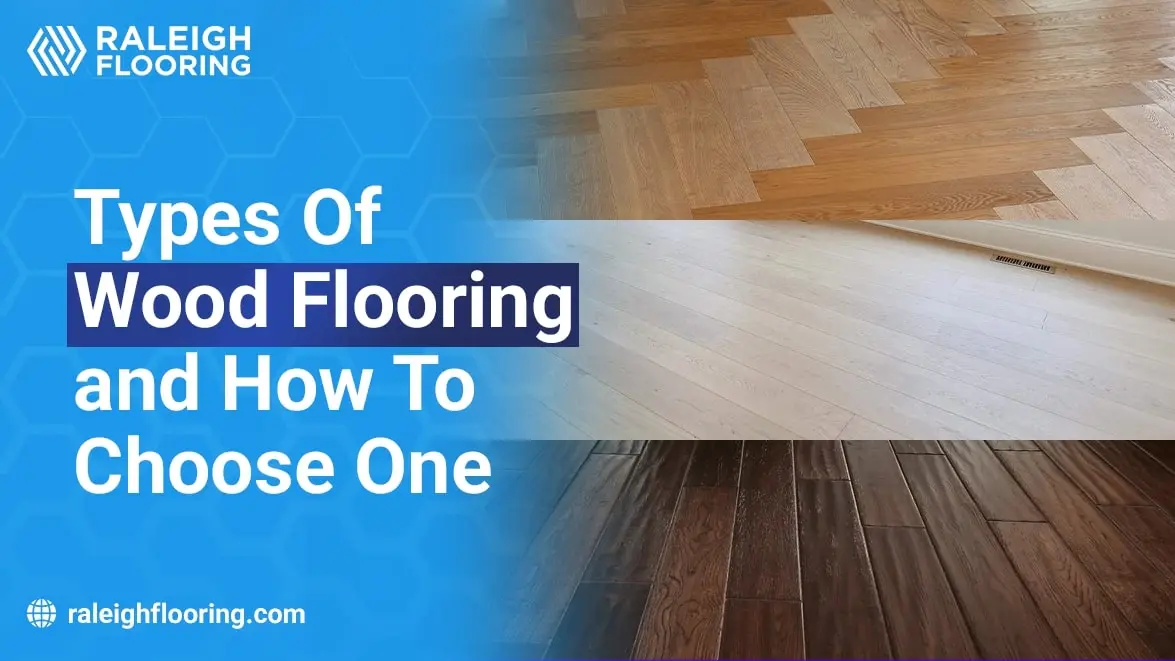
Wood flooring comes in many styles, each with its own strengths. Popular types include solid hardwood, engineered wood, reclaimed wood, bamboo, and parquet. Some offer traditional charm, while others focus on sustainability, style, or stability. Wood flooring installation plays a crucial role in ensuring each type performs at its best.
Choosing the right type depends on the room, expected foot traffic, and overall design goals. Maintenance needs, durability, and cost also play a role. Understanding your space and how each flooring type performs is key to making the right decision for long-term value and appearance.
Types of Wood Flooring
Wood flooring comes in a variety of forms, each designed to suit different needs, aesthetics, and installation conditions. Understanding the main types can help narrow your choices before you start comparing colors or finishes.
1. Solid Hardwood Flooring
Solid hardwood is made from a single piece of wood and offers a natural, long-lasting option that can be sanded and refinished multiple times. It’s known for its classic appearance and durability. However, it performs best in areas with stable humidity and may not be ideal for basements or moisture-prone spaces. Common types include oak, maple, hickory, and walnut.
2. Engineered Wood Flooring
Engineered wood features a thin layer of real hardwood on top of several layers of plywood or high-density fiberboard. This layered structure makes it more stable than solid wood, especially in areas with fluctuating temperature or humidity. It can be installed over concrete and is available in a wide variety of finishes and plank widths. It offers the beauty of real wood with more flexibility in where it can be used.
3. Reclaimed Wood Flooring
Reclaimed wood is salvaged from old buildings, barns, or other sources, then milled and refinished for new use. It has a unique, weathered look that appeals to those seeking a rustic or eco-conscious design. Its aged appearance adds character and charm that newer materials may lack.. Reclaimed wood often comes at a higher cost due to sourcing and preparation.
4. Bamboo Flooring
Though technically a grass, bamboo is considered a wood flooring option due to its hardness and appearance. It’s eco-friendly, renewable, and often more affordable than traditional hardwood. Strand-woven bamboo is the most durable type and works well in high-traffic areas. It’s a good option if you want sustainability without sacrificing performance or aesthetics.
5. Parquet Flooring
Parquet wood flooring uses small wood pieces arranged in decorative patterns, such as herringbone or chevron. While once considered old-fashioned, it’s made a strong comeback in contemporary design. Parquet is available in both solid and engineered wood forms, offering a stylish look that adds texture and visual interest to a room.
How to Choose One
When deciding on the right type of wood flooring, several factors come into play beyond just how it looks.
1. Consider Where It’s Being Installed
Is it going in a dry living room or a basement with higher humidity? Solid hardwood works best in above-ground, climate-controlled areas. For spaces like basements or over concrete, engineered wood is the more stable choice.
2. Think About Durability and Maintenance
Busy households with pets or children may benefit from harder wood species or finishes that hide wear. Engineered wood and strand-woven bamboo are both excellent for high-traffic areas. Also consider how often you’re willing to maintain the floors, some types need more attention than others.
3. Match Your Style and Budget
Wood floors range from sleek and modern to warm and rustic. Choose a species, color, and plank width that fits your interior design. Also keep in mind that reclaimed wood and parquet often come at a higher cost due to extra labor and materials.
4. Check Installation and Subfloor Requirements
Not all wood flooring works with every subfloor. If you’re dealing with concrete or radiant heating, for example, engineered wood is a better fit. Also decide whether you prefer nail-down, glue-down, or floating installations.
5. Prioritize Longevity and Refinish Options
Some floors can be sanded and refinished multiple times, while others cannot. If you want a floor that can be refreshed over time, solid hardwood is a strong candidate. If you’d rather replace than refinish down the line, engineered wood still offers years of dependable use.
Conclusion
The best wood flooring for your space depends on more than looks. Options like solid hardwood, engineered wood, reclaimed wood, bamboo, and parquet each suit different needs and styles. To choose the right one, think about where it’s going, how much wear it will face, and how much upkeep you’re comfortable with. Some options work better with concrete or moisture, while others are ideal for dry, quiet spaces. Matching the flooring type to your lifestyle, layout, and design goals ensures you get both beauty and performance that lasts. Raleigh Flooring can help guide you through every step, from product selection to professional flooring installation, while also helping you understand the benefits of wood flooring, so you get the perfect floor for your space.