
Posted on 05.22.2026
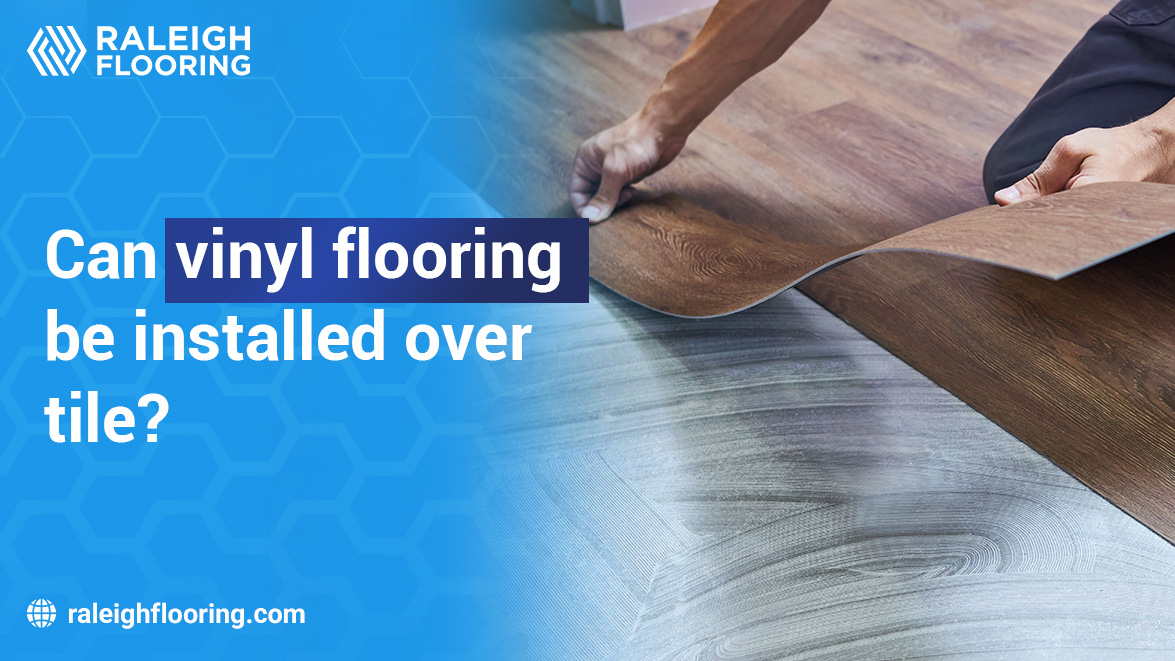
Look down at that outdated kitchen floor. Do you really want to grab a sledgehammer, smash the tile to pieces, and breathe in white dust for a week? Definitely not, because you can actually skip the entire mess. If you want a fast and budget-friendly home makeover, figuring out can vinyl flooring be installed over tile is a smart shortcut that completely saves your weekends and your wallet.
Key Takeaways
- Yes, you can lay new vinyl straight over old tile if the base is flat.
- Valley-like grout lines must be filled flat before you begin.
- Any loose or moving tiles have to be fixed or glued down first.
- Preparing the surface correctly keeps the final floor from looking bumpy.
Is It Fine to Install Vinyl Flooring Over Tile?
You can absolutely do this. Putting your new vinyl directly onto the old tile is a clever trick that saves tons of cash. Your old stone or ceramic floor acts like a free, extra-sturdy base. By leaving it alone, you avoid heavy trash bags, dusty air vents & sore muscles.
But you have to be careful with how vinyl works. Vinyl is soft, stretchy & acts like a thin skin. It copies whatever shapes are resting right below it. If the old tile floor has bumps, deep cracks or low grout paths, those shapes will push up into your new planks later on. Walking on the floor presses the vinyl into the empty spaces underneath, making it wear out fast. Proper prep work is the only way to avoid this problem.
Requirements to Install Vinyl Over Tile
Spend some time checking your current floor before buying new boxes. Missing these quick steps will cause your new planks to separate or shift when you step on them.
A Flat & Level Surface
Your old floor needs to be flat from wall to wall. Large humps place excessive stress on the locking joints of new vinyl. Lay a long, straight board on the floor to look for deep dips. If you find a hole deeper than a matchstick, you need to fill it. Also, check for high tile edges. Smooth them down with a hand tool so they do not cut into your new floor.
Take your time walking around the perimeter of the room where the floor meets the baseboards. Sometimes, settlement in the corners of an older home causes the outer tiles to slope downward dramatically. If you notice a sharp tilt near the walls, your new vinyl planks will struggle to stay locked together because the angle is too steep. Spreading some extra self-leveling cement liquid into those low corners is a fantastic way to smooth out the transition before you start unboxing your new material.
Strong & Secure Subfloor Tiles
Every single old tile must be stuck down tight. Walk across the room & stomp your feet. Listen for hollow or clicking sounds. Hollow noises mean the old glue broke. A rocking tile will ruin your new floor as it moves up & down. If you find a loose piece, pry it up, clean out the old dust & fill the spot with quick cement.
Do not ignore small hairline cracks that run across multiple tiles in a row. While a tiny crack might look harmless on a hard stone surface, it often indicates that the ground underneath your home is shifting or settling. If you try to glue your new vinyl directly over an active, moving crack, the constant underground shifting will eventually pull your new floor strips apart. Ensuring the underlying tile foundation is completely stable & stationary is the single most critical step of the entire project.
Smooth & Filled Grout Lines
Tiles always have low grout lines between them. If you lay thin vinyl over these gaps, the new floor will sink into the spaces. This leaves you with a visible grid pattern across the room. To stop this, spread a thin layer of floor patch compound over the lines. This fills the valleys & turns the bumpy floor into a smooth, even surface.
Think of this process exactly like applying primer to a rough piece of wood before you paint it. If you skip the primer, the final paint job will look uneven & dull because the wood absorbs the liquid unevenly. In the exact same way, the cement patch compound acts as a smooth, uniform shield that hides the old grid forever. Once you finish scraping the paste into the grout channels & letting it dry completely, run your hand across the floor to ensure you cannot feel any transitions or rough edges.
Installation Methods for Vinyl Flooring Over Tile
The actual work changes depending on the type of vinyl you choose. Here are the three easiest ways to upgrade your space.
1. Snap-Together Plank Method
This style is perfect for a quick project because the pieces lock together like a puzzle without glue. The weight of the whole floor holds it down.
- Clean everything: Vacuum the old tiles to remove all tiny rocks & dirt that could get trapped under the new boards.
- Fill the gaps: Trowel floor patch compound into the low grout lines until they are perfectly level.
- Lay the pad: Roll out a thin foam sheet across the room if your planks do not have backing on them.
- Start rows: Cut planks with a knife & click them together, leaving a small gap by the walls for natural room expansion.
- Lock them in: Push the joints together at a slight angle & tap them gently with a rubber mallet.
- Add trim: Nail down baseboards to hide the raw edges & expansion spaces around the room.
2. Glue-Down Strip Method
This path uses strong liquid glue to stick flexible vinyl strips directly to the tiles. It works best for busy hallways.
- Scrub the floor: Wash the old tiles thoroughly to remove grease, old wax & soap film.
- Scrape the shine: Sand the glossy tile surface using a rough sanding tool so the liquid glue has something to grip.
- Coat it smooth: Put a thin layer of patch compound over the entire floor to hide lines & fill holes.
- Spread the glue: Pour adhesive on the dry floor & spread it out evenly with a notched tool.
- Place the strips: Press the vinyl firmly into the wet glue, working from the center of the room outward.
- Roll it flat: Run a heavy roller over the finished room to pop any air bubbles & lock the bond.
3. Loose-Lay Sheet Method
This choice uses one giant sheet of thick vinyl cut to fit the exact shape of your walls. It stays down using its own heavy weight.
- Fix the base: Fill all grout lines, chips & dents with patch until the floor is smooth.
- Roll it out: Spread the vinyl sheet across the room, letting it run up the walls a bit on each side.
- Trim the edges: Use a sharp knife to cut the sheet cleanly along the wall line, leaving a tiny gap.
- Tape the edges: Lift the outer vinyl & put strong double-sided tape on the tiles below.
- Press down: Flatten the sheet over the sticky tape to get rid of wrinkles & bubbles.
Conclusion
Realizing that the answer to can vinyl flooring be installed over tile is a definitive yes means you get a fantastic shortcut that keeps you from dealing with a dusty demolition job. As long as the base is flat & the grout lines are filled, your new floor will look great & hold up fine. Taking the time to prepare your subfloor properly ensures that your new surface stays beautiful, stable & comfortable to walk on for decades. If you want help finding the best materials or need a hand with the setup, reach out to Raleigh Flooring to set up your home visit today.
Frequently Asked Questions
Will this make my floor too tall?
It adds about a quarter-inch of height. You might need to trim a tiny bit off the bottom of your doors so they open easily.
Can I use cheap peel-and-stick tiles?
No, stick-on tiles are too thin. The old grout lines will show through them very quickly, so use thick click planks instead.
What if an old tile cracks underneath later?
If the old tiles are glued down tight before you start, a small crack won’t hurt a floating vinyl floor.
Do I need a plastic sheet under the vinyl?
If your floor sits on a ground-level concrete slab, a thin plastic sheet stops dampness from ruining the joints.
How do I clean the new vinyl floor?
Sweep up dust daily & use a damp microfiber mop with a gentle cleaner. Do not let big puddles of water sit on the seams.