
Posted on 07.29.2025
Laminate flooring is an alternative to hardwood or stone that offers a similar look with less maintenance and a more affordable price point. It’s built using a layered structure that combines visual appeal with durability, making it suitable for both homes and commercial spaces. Understanding the laminate flooring benefits can help you decide if this option is right for your space.
Each plank is made through a detailed process that involves printing high-resolution images onto durable materials, then bonding them under heat and pressure. A protective surface is added for long-term wear, and the planks are shaped with locking edges for easy installation. The result is flooring that looks like natural wood or tile but is engineered to handle everyday use with ease.
What Is Laminate Flooring?
Laminate flooring is a multi-layered flooring designed to replicate the look of natural materials like hardwood, tile, or stone. Though it mimics natural materials, its layered construction uses mostly synthetic and engineered wood components that offer greater durability and moisture resistance. These advantages make it a popular choice for homeowners and businesses alike. Whether you want a rustic wood appearance or a sleek tile finish, laminate flooring installation provides a practical and stylish option.
How Is Laminate Flooring Made?
Laminate flooring is built through a layered process that combines appearance, function, and durability. Each part of the plank plays a specific role in how the flooring performs in your home or business.
1. A Backing Layer Is Added for Support
The first step involves attaching a backing layer to the bottom of the plank. This layer acts as the foundation, offering stability and protecting the flooring from moisture that can rise from the subfloor. It helps prevent warping over time and keeps the entire plank flat and balanced. In many products, this backing also helps with noise reduction and cushioning underfoot, which adds comfort when walking on the finished floor.
2. A Dense Core Layer Is Pressed Into Place
Above the backing is the core layer, usually made from high-density fiberboard (HDF). This material is made by compressing wood fibers with resin to create a strong and durable base. The core is responsible for most of the plank’s strength. It supports daily foot traffic, resists dents, and handles moderate moisture. Because of this layer, laminate flooring is much more durable and budget-friendly than traditional hardwood.
3. A Decorative Image Layer Is Printed
Next, a thin decorative sheet is printed with a high-resolution image that replicates the look of real hardwood, tile, or stone. This is what gives laminate flooring its realistic appearance. The design can feature natural wood grain, color variations, or stone textures. Thanks to modern printing techniques, these visuals can closely match the beauty of real materials without the cost or upkeep that natural products require.
4. A Clear Wear Layer Is Sealed Overhead
To protect the printed layer from damage, a transparent wear layer is added on top. This clear coating guards against scratches, stains, fading, and general wear from daily use. The thickness of the wear layer can vary depending on whether the product is meant for residential or commercial spaces. A thicker wear layer offers better protection and lasts longer in high-traffic areas. Some wear layers even include added coatings for extra durability.
5. All Layers Are Bonded Using Heat and Pressure
Once all layers are stacked in order, they are bonded together using high heat and strong pressure. This step turns the layered materials into one solid piece. The bonding process ensures that the layers won’t separate or peel over time. It also creates a smooth and consistent surface, which is important for long-term performance. The finished sheet is durable, stable, and ready to be cut into planks.
6. The Planks Are Cut and Shaped for Easy Installation
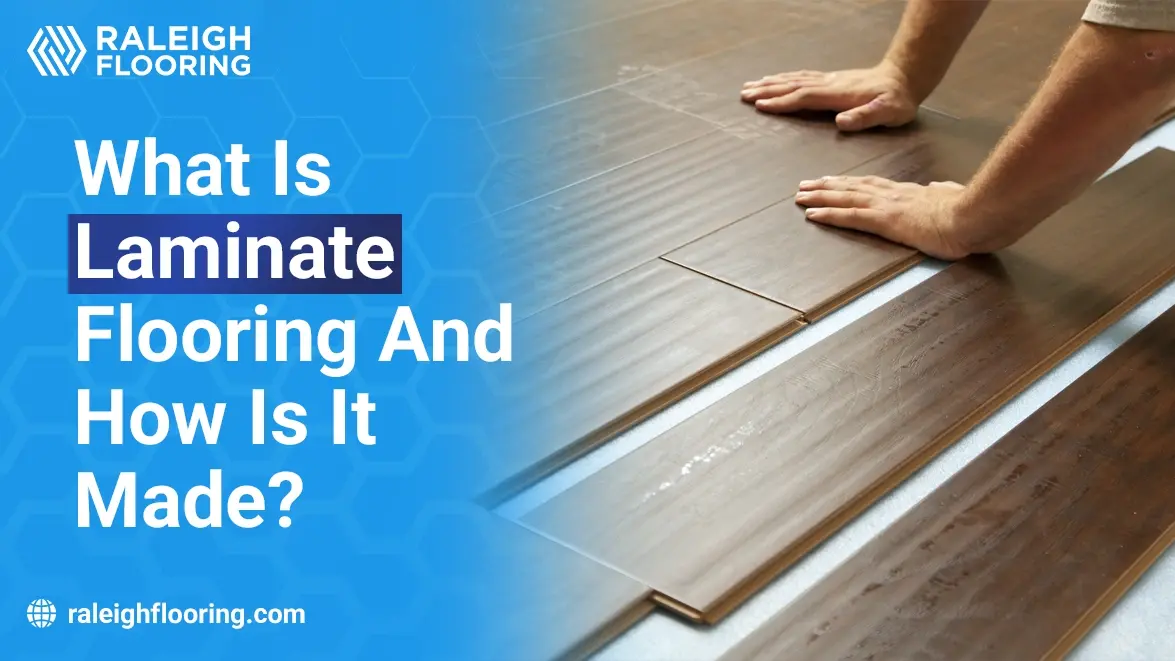
After bonding, the large sheets are cut into individual planks. Each plank is shaped with locking edges that fit together like puzzle pieces. This makes installation fast and simple, with no need for glue or nails in most cases. Some planks are also textured or beveled to add a more realistic look and feel. Once cut and boxed, the flooring is ready for installation in homes, offices, or other indoor spaces.
Conclusion
What makes laminate flooring such a practical choice isn’t just its appearance but the way it’s built. Each plank is carefully engineered using layered materials that are designed to perform. From the durable core to the printed design layer and protective surface, every part of the plank plays a role in how well it holds up to daily wear. The layers are bonded using heat and pressure, then shaped with locking edges that simplify flooring installation without sacrificing strength. With Raleigh Flooring, you get laminate flooring that combines low-maintenance beauty with long-lasting performance, which is ideal for both residential and commercial use.