
Posted on 07.10.2025
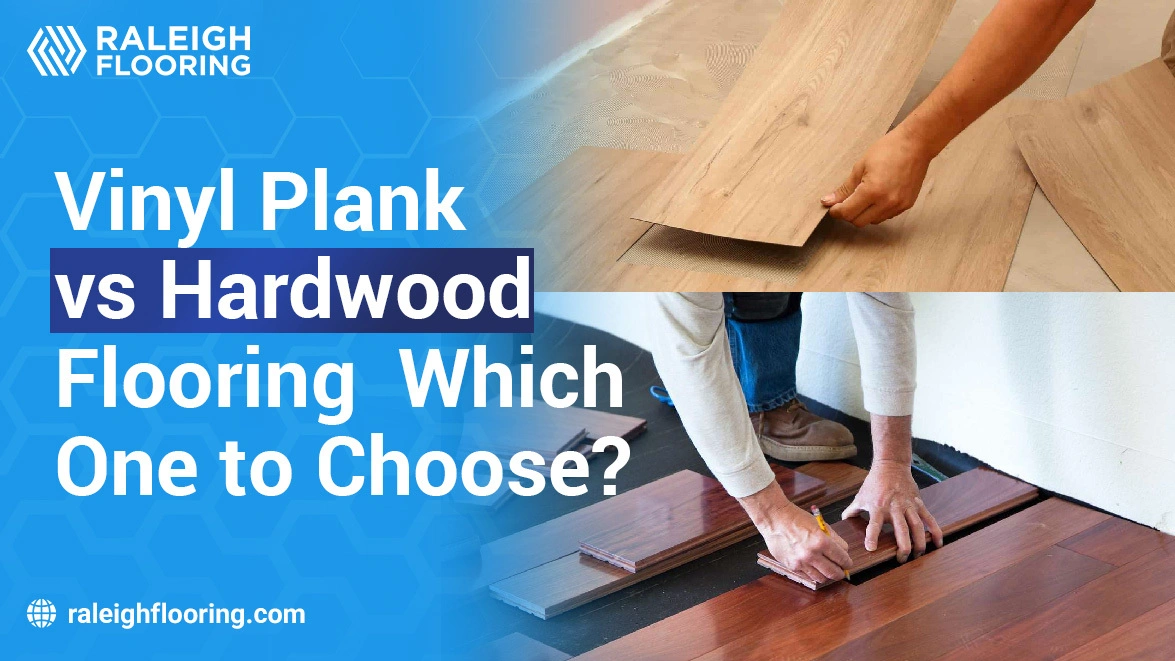
The right flooring can completely transform your home. When comparing vinyl plank and hardwood flooring, it’s essential to consider factors like style, durability, and cost. Hardwood adds natural elegance and long-term value, while vinyl plank offers design flexibility, comfort, and moisture resistance.
Vinyl provides comfort and noise absorption, offering a slight edge, especially in busy homes. Vinyl is also easier to maintain, but hardwood adds value to a home in the long term. Understanding the differences between vinyl plank and hardwood flooring is essential to choosing the right option.
Vinyl Plank or Hardwood Flooring: Factors to Consider When Choosing
Deciding between vinyl plank and hardwood flooring can be difficult when it comes to replacing your floors. Each has its own set of pros and cons. But how do you know which is best for your home, lifestyle, and budget? Here is what you need to know:
1: Appearance and Style
Hardwood floors add natural tone and classical appeal to any space. Every plank has a distinctive pattern for style. Hardwood is hard to beat if you’re going for a classic, high-end look.
Vinyl plank, on the other hand, has endless style options. Today’s printing technology makes many vinyl styles look as good as wood, stone, and other natural materials. Vinyl also comes in many colors, textures, and finishes.
Result: Opt for hardwood if you want to enjoy that authentic feel. Choose vinyl if you prefer a wide range of stylish and customizable options.
2: Durability
Durability matters if you have kids, pets, or lots of foot traffic in your home. Vinyl plank flooring is tough. It’s resistant to scratches, dents, and water, which is why it’s perfect for kitchens, bathrooms, and basements.
Hardwood is strong but more vulnerable to wear and moisture. Scratches and dents are common if not protected by area rugs or furniture pads.
Result: Vinyl plank offers better resistance to daily wear and is more suited for active households.
3: Cost and Budget
Vinyl plank is more affordable than hardwood in terms of both material and Ivp flooring installation costs. It’s also quicker to install, which can reduce labor expenses.
Hardwood is more expensive upfront, but it adds significant long-term value to your home. With proper care, it can last decades and enhance resale appeal.
Result: For short-term savings, go with vinyl plank. Hardwood is better in the long term and for resale value.
4: Maintenance and Cleaning
Vinyl planks are easy to maintain. You can clean them with a broom sweep daily and wipe them with a damp cloth. There is no need for special cleaners or treatments.
If you have hardwood, it requires a little more maintenance. You’ll have to remove moisture, use the proper cleansers, and refinish them occasionally to keep them looking new.
Result: Vinyl plank is preferable for lower maintenance and is ideal for households with high foot traffic or busy routines.
5: Comfort and Noise
Hardwood provides a stable and warm floor underfoot. It brings natural insulation into your home, but is loud if not used with a covering or padding.
Vinyl plank will be softer and quieter under your feet, especially when you install it with an underlayment. Some people just find it more comfortable to walk on for extended periods.
Result: Vinyl plank offers better comfort and noise reduction, especially in multi-level homes or apartments.
6: Installation Process
The vinyl planks require an easier and faster installation process. Most types click together with a floating floor system, using minimal tools.
Hardwood typically requires professional installation, especially for nail-down or glue-down methods, which are more labor-intensive.
Result: Vinyl plank is perfect for DIY projects or when you don’t want to pay heavy installation charges
7: Longevity and Resale Value
Taking care of your hardwood floor can be part of your home for a lifetime. Some floors in older homes are even over 100 years old. It increases your home’s resale value and appeal to buyers.
Vinyl plank typically lasts 10 to 25 years. While newer design styles get decent marks, they don’t have the decades of reputation behind them that hardwoods do.
Result: Hardwood is perfect for long-term durability and value.
Vinyl Plank vs Hardwood Flooring: Which is Better?
Vinyl plank flooring is a great choice when you want something affordable, low-maintenance, and durable, especially if your home has a lot of foot traffic or moisture problems. But if you want to increase resale value, natural aesthetics, and classic appeal, hardwood floors are worth it. The benefits of hardwood flooring include timeless style, long-term durability, and improved home value. Ultimately, the choice between hardwood and vinyl plank flooring will be based on your budget, lifestyle, and preference.
Conclusion
The flooring options you choose can add to the value of your property, but they do depend on your home’s requirements and what you hope to achieve in the long run. Hardwood has proved effective for rich, natural beauty and increasing the home’s value. However, vinyl plank complements today’s lifestyles with its easy maintenance, durability, and diverse design options.
For noise control and ease of floor installation, vinyl plank is more comfortable and convenient. For longevity and aesthetics, hardwood is the best choice. This comparison allows you to make a smart decision when choosing between vinyl plank and hardwood flooring. Contact Raleigh Flooring to help you choose the best option that meets your home’s requirements and aesthetics.