
Posted on 12.31.2025
Laminate flooring stays popular because it looks good and costs less than many alternatives. Yet it only keeps that appearance when cleaned correctly. Dust gathers fast. Marks settle into the surface. Some areas lose shine sooner than others. Even though laminate is made to resist wear, it still reacts to dirt and moisture in ways that change its finish over time. Without steady care, the surface may turn dull or patchy.
Keeping laminate clean does not require complex methods. It only needs simple tools and a consistent routine. Dirt moves across rooms easily, so cleaning prevents scratches before they appear. Each method used should focus on protecting the top layer instead of scrubbing deeply. Following the steps of cleaning laminate flooring helps keep the floor in a stable condition in the long run.
Effective Techniques to Clean Laminate Floors
Cleaning laminate involves lifting dirt while avoiding any method that harms the protective layer. Heavy water, strong chemicals, and rough cleaning tools cause the most damage. The process below explains how to clean the floor while keeping the finish stable.
Step 1: Sweep or Vacuum the Floor
Start by removing loose dust and grit. A broom with soft bristles works. A vacuum set to a mode suited for hard floors works as well. Some debris hides in corners or between boards, so reach those areas properly.
Sweeping first reduces the chance of scratches. Small particles cause marks when stepped on. Regular sweeping is one of the most effective ways to stop buildup. It also keeps the surface smoother, making later cleaning easier.
Corners collect more dust than open floor areas. Leaving it there for long periods makes the floor appear older and more uneven.
Step 2: Choose the Right Laminate Cleaner
A cleaner meant specifically for laminate reduces risk. Products with wax, oils, or strong chemicals leave marks or change the surface tone. They may also leave films that attract dirt.
A simple option made at home works for mild cleaning. A small amount of dish soap mixed with water is enough. A diluted water-and-vinegar solution is another basic mix often used on laminate. Both stay mild and do not harm the surface when used correctly.
Use only a small amount of cleaning liquid. Laminate reacts to extra moisture by swelling along seams.
Step 3: Mopping Without Over-Wetting
Laminate should never be soaked. A mop must be wrung out until nearly dry before touching the floor. Any standing water may enter the seams, and once that happens, the boards can warp.
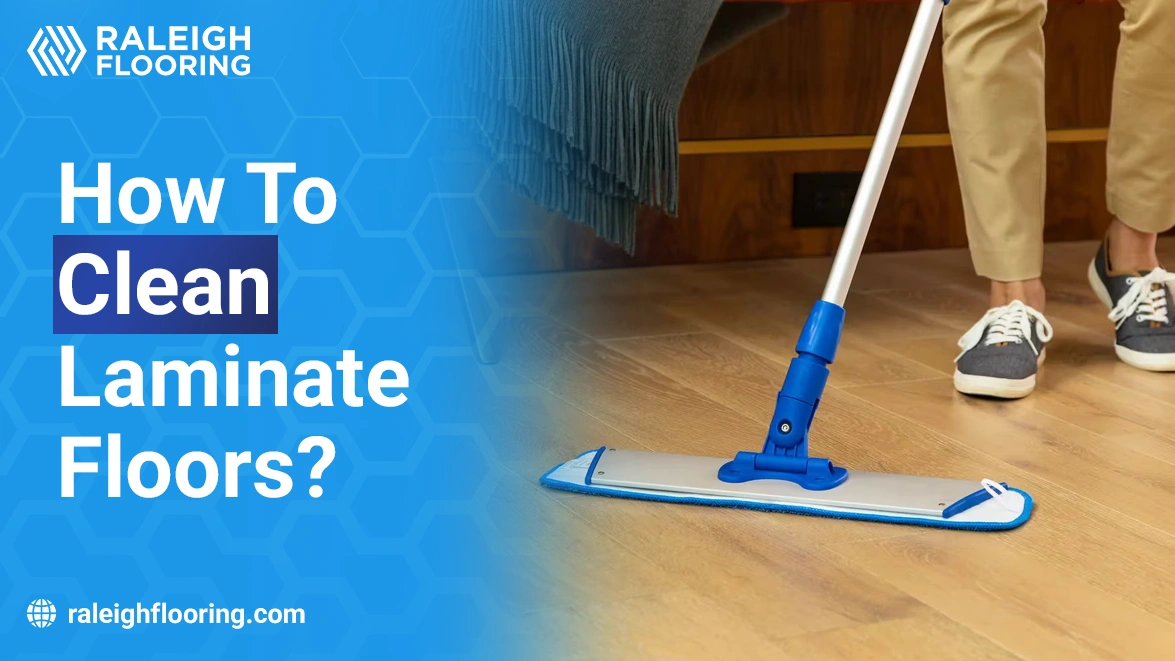
A microfiber mop is usually reliable. It removes dirt evenly and leaves minimal moisture behind. If a section still looks dirty after one pass, use another light pass. The key is to keep the process quick and low-moisture.
Steam mops are rarely safe for laminate unless the manufacturer states otherwise. Heat combined with water often weakens the floor’s surface coating.
Step 4: Dealing with Stains and Marks
Cleaning of stains should take place immediately. Dried stains are easily removed with a water-vinegar solution. Lightly apply it and instead of rubbing, blot. Rubbing hard might make the surface lose its sheen. Small ink or grease spots can be treated by using a soft cloth with a little rubbing alcohol applied.
First, always make cleaning agents in an area that is not visible. The laminate coatings differ, and doing a test first will cut down on more serious issues. The sticky spots sometimes require covering with a wet cloth for a short time. That way, the residue is softened, and it can be removed without strong force.
Laminate will get scratched very fast by the use of abrasive pads, metal scrubs, or rough sponges. The scratches will be visible for the whole lifespan of the laminate floor.
Step 5: Dry and Buff for a Smooth Finish
After any wet cleaning, dry the floor completely. A soft cloth or towel works. Laminate absorbs moisture through seams, so drying is an essential part of the process. Once dry, buff the area lightly. This step reduces streaks and gives the floor a smoother look.
Buffing does not require pressure. Light circular motions help the floor reflect light more evenly. This simple habit helps maintain the laminate’s original shine longer.
Step 6: Preventive Care for Longevity
Prevention reduces long-term wear. Entry mats catch dirt before it tracks across the floor. Rugs protect high-traffic spots from constant friction. Furniture legs should have felt pads so the laminate does not mark when pieces move.
Avoid shoes with hard soles indoors. Pet claws can also create fine scratches; trimming them helps. Rugs placed in the same spot for too long may cause uneven fading, so rotating them keeps the floor consistent.
A basic cleaning schedule maintains the floor without deep interventions. Even small habits prevent large issues. Small daily steps, quick dusting, wiping small spills, and placing mats create long-lasting results.
Conclusion
Laminate floors remain durable when they receive steady care. Sweep or vacuum often. Use light cleaners. Mop with minimal water. Address stains early. Dry and buff to restore smoothness. Add surface protection to reduce wear. With simple maintenance, laminate retains its clean appearance and strengthens its ability to handle daily use. Cleaning laminate floors by following all the steps can also increase the lifespan of your flooring in the long term.
For top-quality laminate flooring and professional cleaning of laminate flooring, you can reach out to Raleigh Flooring for reliable flooring solutions.